
When you lose weight on treatment such as Mounjaro, Wegovy or Foundayo, some of that weight comes from muscle, not just fat. You can help protect your muscle by eating enough protein at every meal, doing strength exercises at least twice a week, and losing weight at a steady pace.

Why muscle matters
Muscle helps you stay strong, keeps your joints and balance healthy, and supports your metabolism. Keeping muscle also makes it easier to stay active and maintain your weight in the long term, especially as you get older.
In clinical trial sub-studies of GLP-1 medicines, lean body mass, which includes muscle, made up roughly a quarter to two-fifths of the total weight lost. This is similar to other ways of losing weight, but it shows why protecting muscle is worth the effort.
1. Eat enough protein
With a smaller appetite, it’s easy to eat too little protein. Many dietitians suggest aiming for around 1.2–1.5 g of protein per kg of body weight per day while losing weight. For example, someone weighing 90 kg would aim for about 110–135 g a day. Check with your doctor first if you have kidney disease.
- Include a portion of protein at every meal, and eat it first.
- Spread protein through the day: about 25–40 g per meal, if you can.
- Choose protein-rich snacks such as Greek yoghurt, skyr, cottage cheese, eggs, edamame or a protein shake.
| Food | Typical portion | Approximate protein |
|---|---|---|
| Chicken breast | 100 g | 30 g |
| Tinned tuna (drained) | 1 small tin (about 100 g) | 25 g |
| Greek yoghurt or skyr | 150 g | 15 g |
| Eggs | 2 medium | 12 g |
| Cottage cheese | 100 g | 11 g |
| Lentils (cooked) | 150 g | 13 g |
| Tofu (firm) | 100 g | 12–15 g |
| Milk | 250 ml | 8 g |
Values are approximate and vary by brand. Check food labels.
Find more ideas in our guide to high-protein meals for a small appetite.
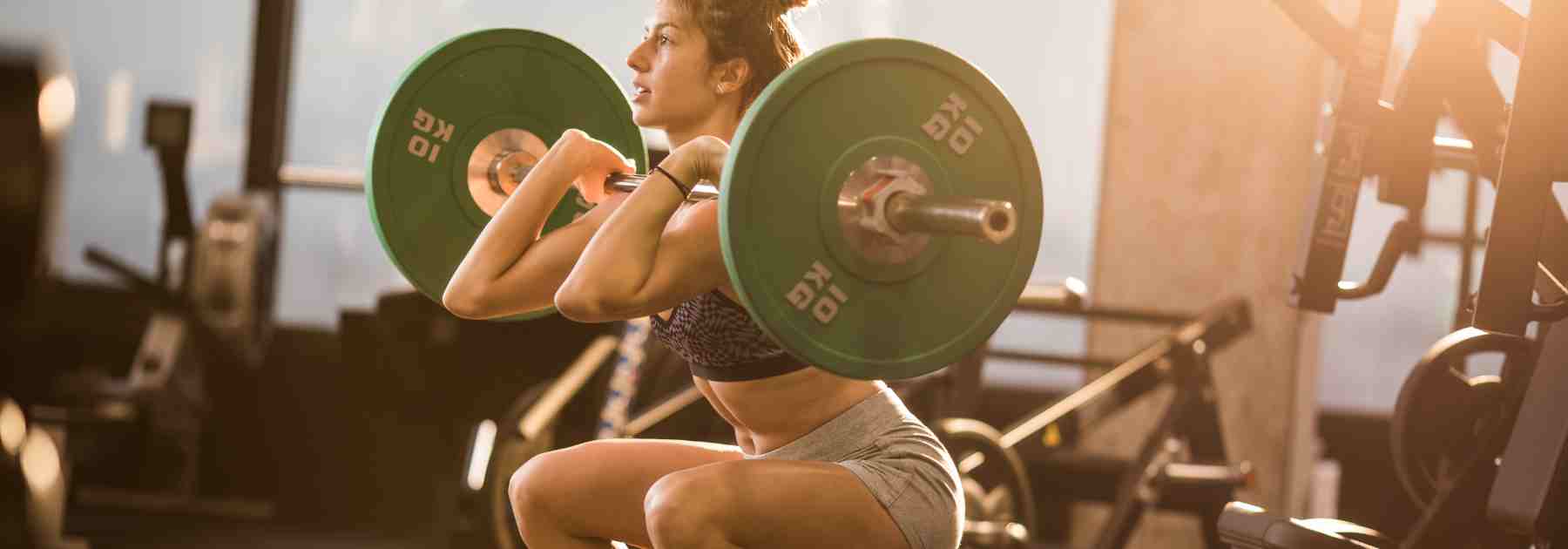
2. Do strength exercises
The UK Chief Medical Officers recommend muscle-strengthening activity on at least 2 days a week, plus at least 150 minutes of moderate activity such as brisk walking.
- At home: squats (or sit-to-stands from a chair), wall or knee press-ups, lunges, glute bridges and step-ups.
- With equipment: resistance bands, dumbbells or gym machines.
- Start small: 1–2 sets of 8–12 repetitions, and gradually increase as you get stronger.
- If you have a health condition or haven’t exercised for a long time, speak to your GP or a physiotherapist first.
3. Don’t lose weight too fast
Very fast weight loss can mean more muscle loss. Dose increases are spread out to help your body adjust. You don’t have to move up a dose if you’re losing weight steadily. Don’t skip meals altogether, even if you’re not hungry.
4. Other things that help
- Sleep: muscles recover and rebuild while you sleep.
- Hydration: drink plenty of water, especially if you’re active.
- Vitamin D: UK guidance recommends a daily 10 microgram vitamin D supplement in autumn and winter.
Signs you may be losing too much muscle
Feeling weaker, struggling with stairs or carrying shopping, feeling very tired, or losing weight very quickly can be signs. Speak to your prescriber, who may review your dose and diet.
This article is for general information only and is not medical advice.
☑ Clinically Reviewed by Hamza Khairkhwah (GPhC Number 2228294)
A pharmacist reviews the content to help ensure medicines are presented responsibly and that patient facing health information is accurate, appropriate, and aligned with current clinical guidance.
Last reviewed: 23/10/26
Written on behalf of Pills2U by Karan
Sources and further reading
- NHS: How to improve your strength and flexibility
- NHS: Physical activity guidelines for adults
- NHS: The Eatwell Guide


