

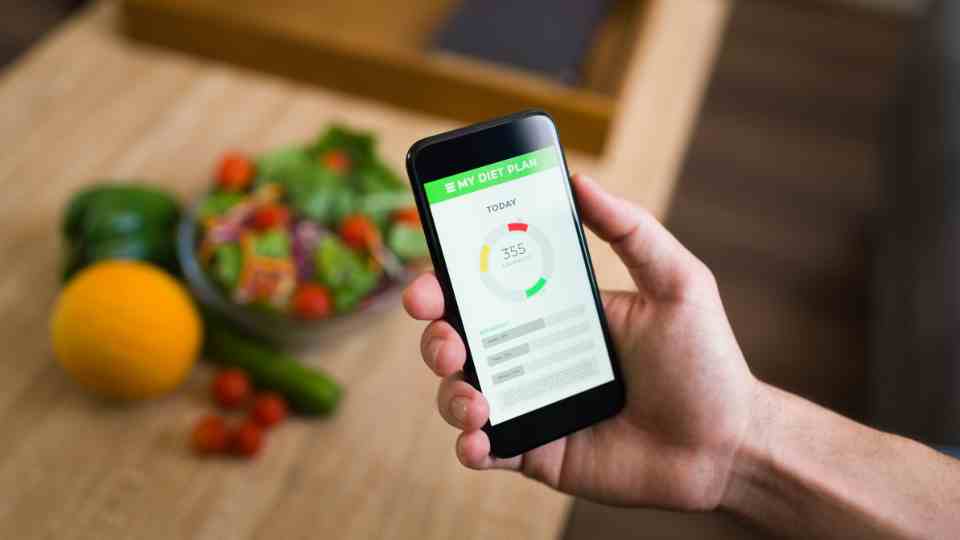
At Pharmaesthetics Central, we regularly support clients who’ve done all the “right” things (followed calorie guidelines, cut out snacks, increased their exercise) but still find themselves stuck when it comes to weight loss. Many of them begin by following NHS healthy eating recommendations, and quite rightly so. The NHS Eatwell Guide offers an excellent starting point for understanding nutrition, portion control, and food group balance.
But as many discover, public health guidelines are designed to support the general population. They don’t always account for the individual challenges that people face with weight loss, whether that’s due to hormones, medical conditions, or long-standing metabolic imbalances. That’s where a more personalised approach can offer something extra.
In this post, we’ll explore when NHS guidance is the right tool for the job, and when stepping things up with a clinical or medicated weight loss plan can make the difference between plateau and progress.
What Does the NHS Eatwell Guide Recommend?
The NHS healthy eating approach is based on balance. The Eatwell Guide recommends:
-
–> Plenty of fruit and vegetables (at least 5 portions a day)
-
–> Starchy carbohydrates, preferably wholegrain
-
–> Some dairy or dairy alternatives
-
–> Moderate amounts of protein (beans, pulses, fish, eggs, meat)
-
–> Unsaturated oils and spreads in small quantities
-
–> Minimal foods high in fat, salt and sugar
-
–> Drinking 6–8 glasses of fluid a day
These are sensible, evidence-based recommendations that support long-term health. They’re ideal for anyone starting out on a health journey or looking to maintain a balanced, sustainable diet.
At Pharmaesthetics Central, we support many of these principles ourselves. In fact, we use them as a foundation when working with clients, particularly when they’re transitioning from fad diets or restrictive meal plans.

When NHS Healthy Eating Works
For many people, simply following the NHS guidelines can lead to improved wellbeing and gradual weight loss. This is particularly true for those who:
-
–> Have a relatively small amount of weight to lose
-
–> Are motivated to make lifestyle changes independently
-
–> Don’t have underlying hormonal or metabolic conditions
-
–> Are focused on long-term health, not rapid results
We encourage all of our clients to understand and apply the basics of healthy eating, whether they’re receiving clinical support or not. The Eatwell Guide can be especially helpful in building awareness around portion sizes, food quality, and how to create balanced meals.
When to Step It Up with a Tailored Approach
Where we often see people struggle is when they’ve followed NHS guidance consistently, but the weight just won’t budge. This isn’t uncommon, and it’s not a sign of failure. It simply means that a one-size-fits-all approach isn’t always enough.
Here are some situations where stepping up to a personalised plan makes sense:
-
–> Persistent weight loss plateaus, despite months of healthy eating
-
–> Conditions like PCOS, insulin resistance, or thyroid issues that interfere with weight loss
-
–> Emotional or binge eating patterns that aren’t addressed by diet alone
-
–> Busy lifestyles that make NHS meal structures difficult to implement consistently
-
–> A history of yo-yo dieting or metabolic slowdown
In these cases, a deeper look at your individual needs can uncover what’s holding you back—and unlock real progress.

What We Offer at Pharmaesthetics Central
Our clinical weight loss programmes are designed to support those who need more than general guidance. We begin with a full consultation, including:
-
–> Personal medical and weight history
-
–> Nutritional assessment tailored to your body and metabolism
-
–> Blood tests if needed to assess hormones, cholesterol, or blood sugar
-
–> Goal setting based on realistic, measurable milestones
We then provide a plan that includes:
-
–> A custom nutrition strategy based on your body’s needs
-
–> Ongoing support from our clinicians to keep you accountable
-
–> Access to weight loss medications such as Wegovy (semaglutide) or Mounjaro (tirzepatide), where clinically appropriate
These medications help reduce appetite, slow digestion, and support more consistent weight loss, especially when natural changes aren’t enough on their own.
Working With the NHS, Not Against It
We’re not here to replace NHS guidance—we’re here to build on it. The NHS does a fantastic job of promoting healthy habits for the wider population. But we recognise that some individuals need more targeted help. That’s why we work alongside the NHS framework, providing personalised strategies and medical support for those who need an extra push.
We believe that weight loss should be both scientific and supportive. By combining the principles of NHS healthy eating with our clinical expertise, we offer you the best of both worlds. Reach out today to make the most of our services.
Take the Next Step Towards Sustainable Results
If you’ve been following NHS healthy eating advice and still feel stuck, don’t lose heart. Your body may simply need more specialised support, and we’re here to provide it.
At Pharmaesthetics Central, our goal is to help you achieve lasting results, safely and confidently. Book a consultation today and find out how a tailored weight loss plan (built on evidence and care) can help you move forward.

This blog was written on behalf of Pharmaesthetics Central by Pharmacy Mentor.


